
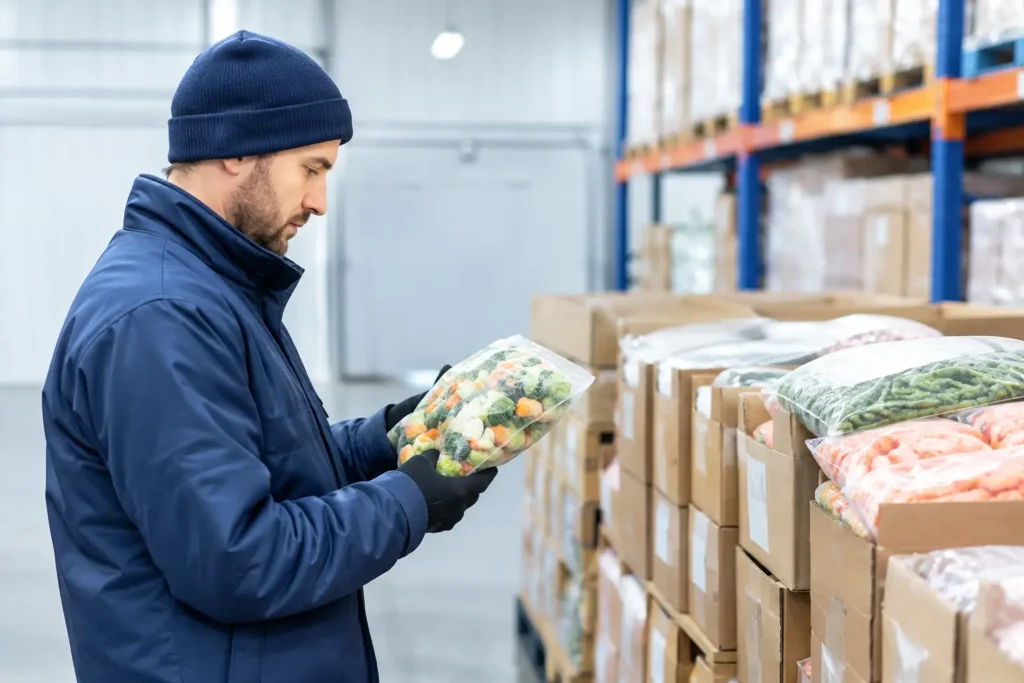
A frozen food distributor does more than move cartons from a factory to a freezer. For retailers, cafés, hotel kitchens and food entrepreneurs, the right distributor protects product quality, keeps popular items available and helps a local favourite become a dependable revenue line. That matters when the product is as recognisable and tempting as Malaysian banana food.
Banana fritters, cekodok, banana rolls and banana doughnuts carry a strong familiar appeal. Customers know the aroma, the golden colour and the comfort of a warm snack. The commercial opportunity is to deliver that experience consistently, whether it is served at a kiosk in Klang, prepared in a Kuala Lumpur café or placed in a retail freezer for busy households.
What a Frozen Food Distributor Should Deliver
Price matters, but it should not be the only reason to choose a frozen food distributor. A low-cost product that arrives inconsistently, has unclear preparation instructions or does not suit your customers can quickly become expensive through waste, complaints and slow stock movement.
A capable distribution partner starts with products that are made for real operations. For foodservice, that means portions that cook evenly, practical pack sizes and products that work during a busy service period. For retail, it means clear packaging, attractive presentation and enough product information for shoppers to buy with confidence. For export, it means supply planning, documentation readiness and packaging that can travel well through a longer cold chain.
Frozen banana foods also need to retain their character after preparation. A banana fritter should be crisp outside and soft within. Cokodok or jemput pisang should have a satisfying bite and a familiar banana taste, not feel like a generic frozen snack. When these details are right, a buyer is not simply selling food. They are selling a Malaysian experience that customers want to repeat.
Supply Reliability Builds Trust
Retail buyers plan promotions, chefs write menus and kiosk operators organise staffing around expected demand. Stock gaps create more than a missed sale. They make customers look for another brand or another outlet.
Ask practical questions before appointing a supplier. Can they support regular orders as your volume grows? Do they understand freezer storage and delivery requirements? Are product specifications, carton quantities and lead times communicated clearly? A partner who answers directly helps you plan with less guesswork.
It also depends on your route to market. A small café may need frequent, manageable deliveries. A wholesaler may need pallet quantities and a consistent production schedule. An importer may need longer lead times and a supplier with the capacity to prepare products for international distribution. The best arrangement is the one that fits your operation, not a one-size-fits-all model.
Build a Range Around Real Customer Occasions
A strong frozen range is not necessarily the biggest range. It is a selection with a clear reason for each product to be there. Banana-based food can serve several occasions: a quick breakfast item, an afternoon tea-time treat, a side dish, a dessert base or a sharing snack.
For a kiosk or café, banana fritters and banana doughnuts can become familiar hot sellers when paired with simple drinks. Banana rolls offer an easy hand-held option for customers on the move. Banana fries bring a playful, sharable format that works well for younger customers, shopping-centre footfall and casual snacking.
For a retail freezer, convenience leads the decision. Shoppers want products that are easy to prepare at home and still feel special enough for guests or family tea time. Clear cooking guidance and realistic serving suggestions can make the difference between a product that sits in the freezer and one that goes into the basket every week.
Shelf-stable banana chips can add another commercial layer. Flavours such as sweet cinnamon, salty pepper, chicken spicy and Samyang Korea-inspired spicy provide a bolder alternative to ordinary crisps. A distributor or retailer can use frozen foods for meal and snack preparation while offering chips near the till, in gift packs or as add-on purchases. The formats are different, but the banana identity keeps the range connected.
Do Not Ignore Margin and Labour
A product can be popular and still be unsuitable if it demands too much labour or leaves too little margin. Food operators should calculate the full cost: purchase price, cooking oil, packaging, staff time, energy, delivery and expected wastage. Then compare it with a realistic selling price in your area.
Frozen products can help control portions and reduce preparation time, especially for businesses that do not have the space or skills to make banana snacks from scratch every morning. However, they still require good freezer management and staff who follow preparation instructions. Convenience is valuable, but it is not permission to compromise on handling.
For new operators, begin with a focused menu and learn what sells. Adding ten items at once may look impressive, but it complicates stock control and can tie up cash in slow-moving lines. A smaller range of dependable favourites is often the smarter first move.
Choosing a Frozen Food Distributor for Growth
When evaluating a frozen food distributor, look at the relationship as well as the product list. Your needs may change from a trial order to regular retail supply, a new kiosk opening or a cross-border opportunity. A supplier that understands business growth can give clearer advice on pack formats, product selection and order planning.
It is useful to request samples and test them in your own environment. Prepare them using the equipment your staff will use, not only under ideal conditions. Check cooking time, appearance, texture, holding quality and customer response. For retail products, assess the package from a shopper’s point of view. Can people understand what it is, how to cook it and why they should choose it?
For restaurants, hotels and caterers, consistency is especially important. A chef needs the same portion, taste and cooking performance across repeated orders. For retailers, packaging and stock availability may matter most. For an entrepreneur building a branded line, private-label support, product development and packaging capability can be decisive.
This is where an integrated manufacturer can offer more value than a simple trading arrangement. Pisango supports banana food products across frozen, snack and kiosk formats, while also providing OEM, ODM, private-label, packaging and branding support for businesses that want to develop their own commercial offer. That gives partners room to start with ready-to-sell products or build something more tailored over time.
Ask the Questions That Prevent Problems
Before committing, confirm the basics in writing: minimum order quantities, payment terms, delivery coverage, storage temperature, product shelf life, carton dimensions and handling procedures. If you plan to export, discuss expected lead times, product documents and the destination market’s requirements early.
You should also be clear about your sales channel. Products intended for a kiosk may need different packaging from products for supermarkets. A hotel buffet may value bulk packs, while a convenience retailer may prefer smaller household packs. The product can be similar, but the commercial format should match the customer.
Communication is a practical advantage. A distributor relationship works better when both sides share sales forecasts, upcoming promotions and expected seasonal demand. Ramadan, festive periods, school holidays and shopping-centre campaigns can all change buying patterns. Planning ahead reduces urgent orders and helps protect availability.
Bring Malaysian Banana Food to More Places
Malaysian banana delicacies have a natural story to tell, but they should not be presented as a novelty alone. They are familiar comfort food for Malaysian customers and an approachable introduction to Malaysian flavours for international buyers. The key is making them easy to understand, easy to prepare and enjoyable from the first bite.
For overseas markets, start with products that travel well in concept as well as in logistics. Banana rolls, fritters, doughnuts and chips are easy formats for many customers to recognise. Use clear English descriptions alongside Malay names such as cekodok or jemput pisang, so the heritage stays visible without making the product feel inaccessible.
A distributor can also help shape the launch. Retail sampling, café menu trials, food exhibitions and small test orders provide useful evidence before a wider roll-out. This approach may take longer than sending a large first shipment, but it gives buyers and operators a better chance to learn which products, portions and flavours suit their market.
The best next step is practical: choose a few products that fit your customers, test them honestly in your own operation and work with a supplier that is ready to grow when the demand arrives.
Pingback: Are Frozen Banana Snacks Halal? What to Check – Pisango Sdn Bhd