
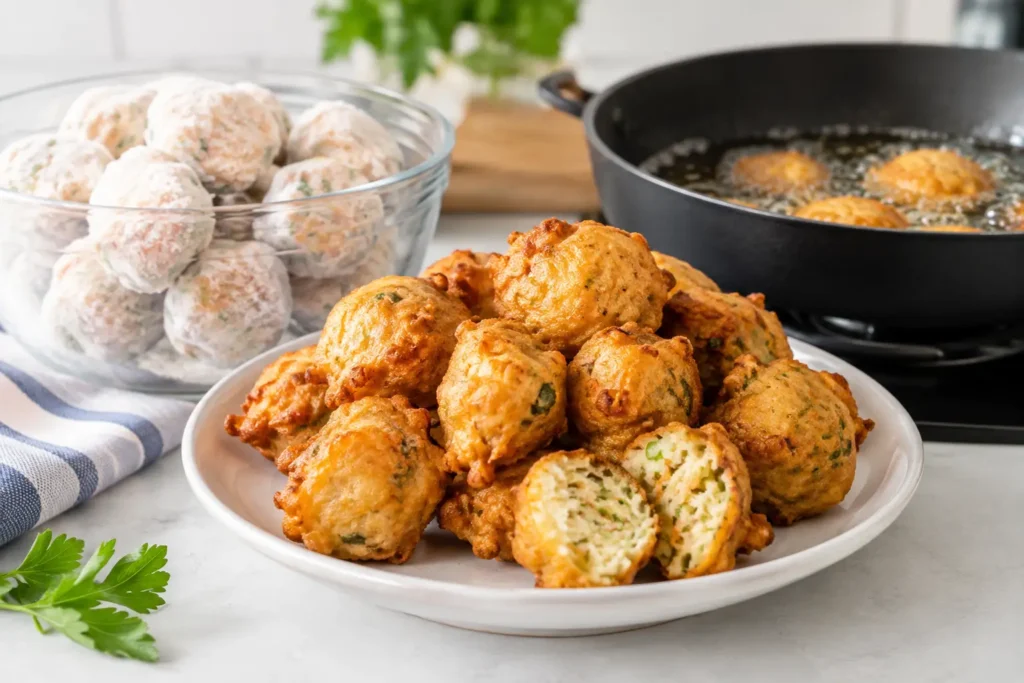
A good cekodok should not taste like it came from the freezer. It should arrive hot, golden and fragrant, with a lightly crisp shell giving way to a soft, naturally sweet banana centre. That is exactly why learning how to cook frozen cekodok properly matters. The right heat keeps the outside appealing without drying the middle, so you can enjoy a familiar Malaysian snack in minutes.
Frozen cekodok, also known as cokodok or jemput pisang, is designed for convenience. Keep the balls frozen until cooking, choose the method that suits your kitchen, and avoid overcrowding the basket, tray or fryer. Whether you are preparing a quick tea-time snack, a kiosk-style menu item or a plate to share with guests, the small details make a noticeable difference.
How to Cook Frozen Cekodok Straight From Frozen
Do not defrost frozen cekodok first. As they thaw, the surface can become damp and soft, making it harder to achieve an even golden finish. Cooking from frozen helps the outside set quickly while the centre warms through gradually.
Before you start, check the cooking guidance on your specific pack. Product size, banana content and coating can affect the ideal timing. The timings below are practical starting points for most frozen banana balls, but your appliance may run hotter or cooler than its display suggests.
The key is moderate, steady heat. If the oil or air fryer is too hot, the outside can darken before the centre is properly heated. If it is too cool, cekodok may absorb oil or lose their pleasing crispness.
Deep-Frying Frozen Cekodok
Deep-frying gives the closest result to a freshly made roadside cekodok: an even golden exterior, tender banana centre and satisfying aroma. It is also the most practical choice when serving several portions at once for a family gathering, café counter or food business.
Heat clean cooking oil to around 170-175°C. Carefully lower the frozen cekodok into the oil in small batches. Do not fill the fryer basket or pan too full, because crowded pieces lower the oil temperature and cook unevenly.
Fry for roughly 4-6 minutes, turning or gently moving the cekodok if needed, until they are a rich golden brown. Larger pieces may need another minute or two. Lift them out with a slotted spoon or fryer basket and leave them briefly on a rack or absorbent paper to drain.
Serve after a short rest of one to two minutes. The filling will be very hot immediately after frying, and that brief wait also helps the crust settle rather than becoming steamy and soft.
For commercial frying, keep an eye on the oil throughout service. Dark, old oil can leave a bitter flavour and make banana snacks look dull. Filter and replace oil according to your operation’s food-safety procedures and volume of use.
A simple frying check
Colour is useful, but do not rely on colour alone. A cekodok can look ready while still being cool in the centre if the oil was overheated. Break open one piece from the first batch and check that the banana filling is steaming hot all the way through. Once you know the correct timing for your fryer, repeat it consistently for every batch.
Air-Frying Frozen Cekodok
An air fryer is a smart option for smaller households, office pantries and anyone who wants less oil without giving up the character of a warm banana snack. The result is usually a little less deep-fried in flavour, but still crisp outside when cooked with enough space around each piece.
Preheat the air fryer to 180°C for about three minutes if your model recommends preheating. Arrange the frozen cekodok in one layer, leaving a small gap between them. A light spray or brush of oil can improve browning, although it is not always necessary.
Air-fry for 8-10 minutes at 180°C. Shake the basket or turn the cekodok halfway through, then continue cooking until evenly golden and hot in the middle. If your cekodok are larger, add one or two minutes rather than raising the temperature sharply.
Air fryer baskets vary. A compact model may brown food faster because the heating element sits closer to the food, while a larger drawer may need a little longer. Cook one test batch before preparing food for guests or customers, then write down the timing that works for your appliance.
Oven-Baking Frozen Cekodok
Oven baking is useful when you need a larger batch but do not want to manage a deep fryer. It is ideal for a relaxed weekend breakfast, a school event or a buffet where several snacks need to cook at the same time.
Preheat the oven to 200°C conventional or 180°C fan. Place frozen cekodok on a lined baking tray in a single layer. Brush or spray very lightly with oil for better colour and a crisper finish.
Bake for 15-18 minutes, turning them halfway through. They should be golden and hot through the centre before serving. If the tray is crowded or your oven has uneven hot spots, allow a few extra minutes and rotate the tray halfway through cooking.
Baked cekodok are softer than deep-fried ones, especially after they have been sitting for a while. For the best texture, serve them soon after cooking instead of covering them tightly. Trapped steam is the quickest route to a soggy surface.
Common Mistakes That Affect Texture
The most common mistake is thawing the cekodok before cooking. This creates surface moisture and can lead to splitting, excess oil absorption or a pale finish. Cook directly from frozen unless your product pack specifically states otherwise.
Another issue is cooking too many at once. In a fryer, this drops the oil temperature. In an air fryer or oven, it blocks hot air from moving around each piece. It may feel slower to cook in batches, but the first batch will look and taste much better.
Do not chase an extra-dark colour. Banana naturally contains sugars, so cekodok can brown quickly. Once they are golden to deep golden and properly heated through, take them out. Overcooking can leave the banana centre dry and make the outer layer overly hard.
Finally, avoid sealing cooked cekodok in a container while piping hot. If you are preparing ahead for a counter or event, let them release steam on a rack first. For food businesses, smaller, fresher batches usually create a better customer experience than one large batch held for too long.
Serving Ideas for a Malaysian Banana Treat
Cekodok is delicious on its own, especially when the banana aroma is at its strongest. For a more generous tea-time plate, serve it with kopi, teh tarik or a chilled chocolate drink. A light dusting of cinnamon sugar can add warmth, while a small dip of chocolate sauce gives it a more indulgent dessert feel.
For kiosks, cafés and caterers, portioning matters. Serve a consistent number of pieces per cup, tray or snack box, and cook in batches that match your expected demand. That keeps waste lower and helps every customer receive cekodok with the right texture. Frozen formats make this easier because you can cook only what you need at the moment.
Products such as Pisango frozen Cokodok bring a familiar Malaysian banana delight into an easy-to-prepare format for homes, retailers and food operators. The same principle applies whether you are serving one portion or building a banana-snack menu: cook from frozen, manage the heat and serve while the cekodok is still at its best.
A hot batch of cekodok needs very little dressing up. Give it room to crisp, let it rest for a minute, and put it on the table while the banana centre is warm enough to make everyone reach for another one.