
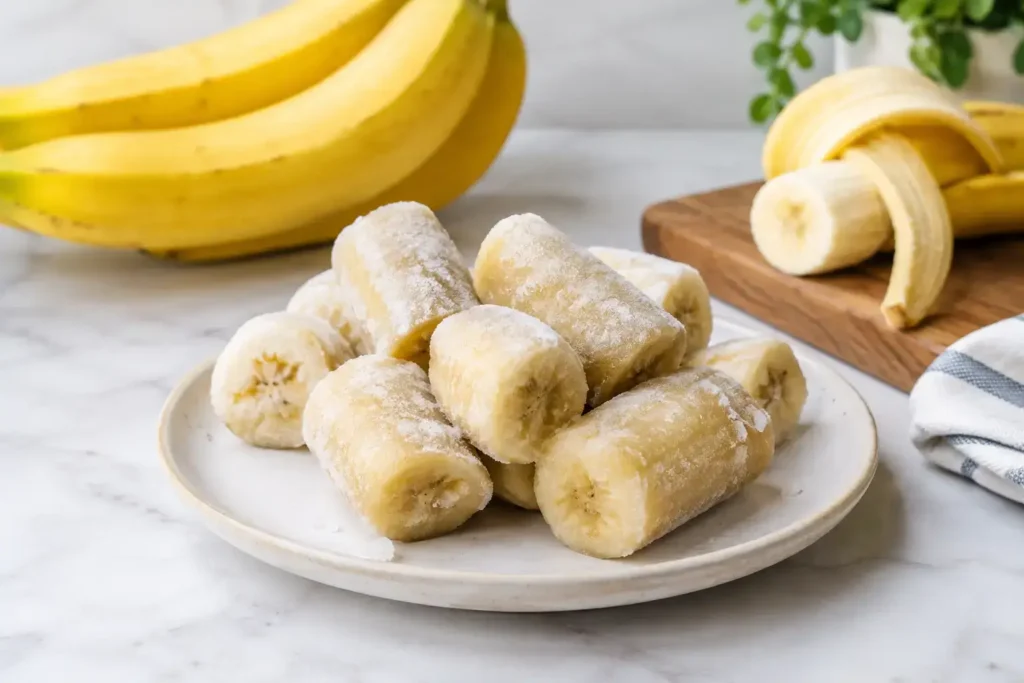
A bag of frozen cekodok, banana fritters or banana rolls can look like an easy halal choice – and often it may be. But are frozen banana snacks halal in every case? The answer depends on more than the banana. The recipe, frying medium, flavourings, production line and halal certification all matter.
For Malaysian families, cafés, hotels and food retailers, frozen banana foods bring familiar street-food flavour into a more convenient format. A few minutes in the fryer, air fryer or oven can turn a freezer staple into a warm snack for breakfast, tea time or a busy counter. Before serving it to halal-conscious customers, however, it pays to check what sits behind the packaging.
Are Frozen Banana Snacks Halal by Default?
Bananas are naturally halal. So are many basic ingredients commonly used in banana snacks, including flour, sugar, salt, water and vegetable oil. A simple frozen jemput pisang or banana ball made from these ingredients is likely to be suitable for halal consumption.
Yet “likely” is not the same as confirmed. Once a product is processed, the halal status depends on every ingredient and every stage of handling. This is especially relevant for coated, filled, flavoured or ready-fried products. A banana doughnut with a cream filling, a banana roll with chocolate sauce, or banana chips with chicken-style seasoning may contain ingredients that need closer checking.
The strongest reassurance is a recognised halal certification mark on the pack, supported by clear ingredient information. If there is no halal logo, do not assume a product is unsuitable – but do not make a halal claim without checking with the manufacturer or supplier either.
What Can Affect the Halal Status of Frozen Banana Snacks?
The banana is rarely the concern. The details around it are where questions arise.
Ingredients beyond the banana
Read the full ingredient list rather than stopping at the product name. Batter mixes can contain emulsifiers, raising agents, shortening, flavourings or improvers. These can be halal, but their source may not always be obvious from a short label.
Pay particular attention to glycerine, emulsifiers such as mono- and diglycerides, enzymes, flavour enhancers and compound ingredients. An ingredient may be plant-based, synthetic or derived from animal sources. When a pack is unclear, ask the brand for a written ingredient specification or halal declaration.
Fillings and coatings deserve the same care. Chocolate, caramel and cheese-style sauces can contain emulsifiers and flavourings. A savoury coating may use meat powder, chicken flavour, cheese powder or seasoning blends. These are not automatically non-halal, but they should be traceable to approved sources.
Frying oil and pre-frying
Many frozen snacks are partially fried before freezing to help create a crisp finish after preparation. The oil itself may be vegetable-based, but the real question is whether it was used only for halal foods.
In a factory, shared frying equipment can create a concern if non-halal products are also produced there without appropriate segregation and cleansing procedures. In a food outlet, the same principle applies. Frying banana fritters in oil previously used for non-halal meat products is not suitable for halal service.
For kiosk operators, caterers and restaurant teams, this is a practical operating point. Keep halal products, utensils, fryer baskets and storage areas properly controlled. A good product can lose customer trust through careless handling at the final serving stage.
Flavourings and extracts
Flavourings are one of the most misunderstood areas. Vanilla, coffee, fruit and spice flavours may be halal, but some extracts and carriers can involve alcohol. The amount may be small, yet halal suitability should be verified through the supplier’s documentation and certification process.
This is particularly relevant to premium or imported frozen desserts and novelty snacks. A banana snack labelled “rum flavour”, “liqueur chocolate” or “beer batter” should be treated as a clear warning sign. When in doubt, choose a certified alternative rather than relying on assumptions.
Cross-contamination during production and storage
Halal compliance is not only about the ingredient list. It also covers how food is received, stored, processed, packed and transported. A halal product should be protected from contact with non-halal materials throughout the supply chain.
For retail buyers and distributors, this means asking sensible questions. Is the manufacturer’s facility halal-certified? Are raw materials approved? Are production lines segregated where needed? Is product traceability maintained from factory to freezer? These questions are good business practice, especially when supplying Muslim-majority markets.
How to Check Whether a Frozen Banana Product Is Halal
Start with the front and back of the pack. Look for a halal certification logo from a recognised authority relevant to the market where the product is sold. In Malaysia, consumers commonly look for recognised JAKIM halal certification or an accepted overseas certification body for imported goods.
Next, check the ingredient list and allergen statement. If a product has an unfamiliar additive, a vague “flavouring” description or no clear source for an ingredient, contact the manufacturer. A responsible food business should be able to explain its ingredients and quality controls.
Then consider where you are buying it. A sealed retail pack from a reliable supermarket, distributor or specialist food supplier is easier to assess than an unlabelled product transferred into a plain bag. For foodservice purchases, ask for product specifications, halal certificates and batch information before placing a larger order.
For hotels, cafés, franchisors and procurement teams, keep these documents on file. This supports menu planning, customer enquiries and internal halal assurance. It also prevents a costly problem later, when a product has already been listed, stocked or served.
Frozen Banana Snacks at Home, in Kiosks and in Foodservice
At home, preparation is usually straightforward. Use clean cookware and fresh oil, follow the cooking instructions, and avoid sharing utensils with non-halal foods. If the snack is certified halal and prepared in a controlled kitchen, it can be a quick option for family meals and guests.
For commercial operators, the standard should be higher because customers rely on your assurance. Label freezer stock clearly, rotate inventory properly and train staff on separate storage and frying procedures. If you sell banana fritters alongside other fried food, a dedicated fryer or carefully managed frying schedule can protect product integrity.
This matters even more for delivery kitchens and busy kiosks. Fast service should not mean loose controls. A well-organised counter can serve warm banana doughnuts, cekodok and banana fries quickly while still respecting the halal expectations that customers bring to the brand.
For operators seeking Malaysian banana products, work with suppliers that can provide consistent product information, packaging support and documents suited to your market. Pisango represents the kind of focused banana-food approach that makes it easier for retailers and food businesses to build a recognisable local snack offer – but each buyer should still confirm the current certification and product details for the specific range being ordered.
Common Questions About Halal Frozen Banana Foods
Is a vegetarian frozen banana snack automatically halal?
No. Vegetarian means the product does not contain meat, but it does not confirm the source of all additives, flavourings or processing aids. It also does not confirm how the food was handled during production. Halal certification is more specific than a vegetarian claim.
Are banana fritters from a non-halal shop halal?
Not necessarily. Even if the batter contains only halal ingredients, the frying oil, utensils and preparation area may have contact with non-halal food. Ask the shop directly if halal assurance matters to you.
Can imported frozen banana snacks be halal?
Yes. Imported products can be halal when they have valid certification from a recognised authority and meet the import requirements of the country where they are sold. Check that the certificate applies to the exact manufacturer and product, not simply to a distributor.
What should a reseller ask a frozen-food supplier?
Ask for the halal certificate, ingredient list, product specification, storage requirements, shelf life and minimum order details. If you are selling under your own label, also confirm who controls the recipe, packaging claims and certification responsibilities.
A frozen banana snack can be simple, delicious and halal-friendly – but confidence comes from proof, not guesswork. Choose clearly documented products, handle them properly, and give your customers the same assurance you would expect for your own family.